Polynucleotides Under Eyes Treatment Explained: A UK Buyer's Guide
Key Takeaways: Polynucleotide Under-Eye Treatment
- Regenerative Medicine: Unlike fillers that add volume, polynucleotides repair skin at a cellular level by stimulating fibroblasts.
- Safe for All: Highly biocompatible DNA fragments (often derived from trout or salmon) make this suitable for sensitive under-eye skin.
- The "London Look": Popular in Harley Street clinics for treating dark circles, fine lines, and "crepey" texture without the puffiness of hyaluronic acid.
- Course of Treatment: Typically requires 2–4 sessions spaced 3 weeks apart for optimal results.
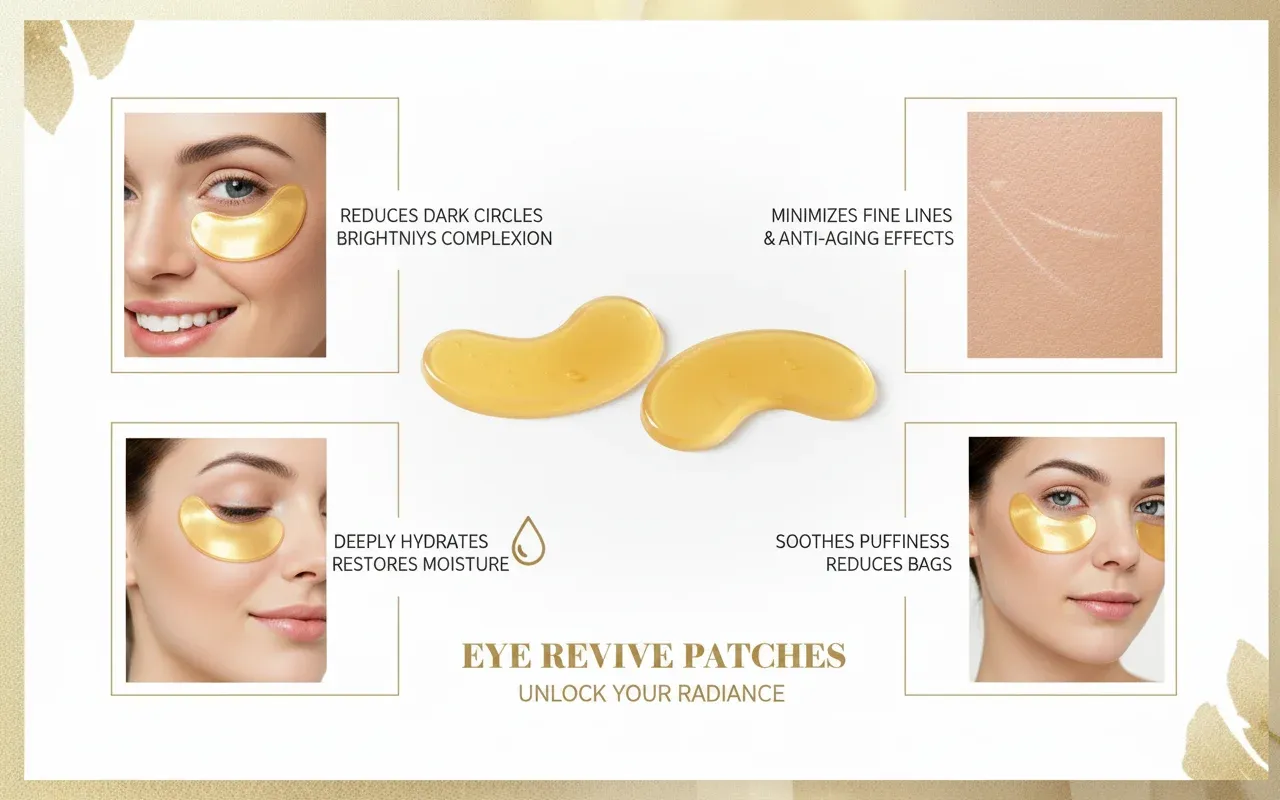
- Home Maintenance: Complementing clinic visits with high-quality topical care, such as 24K Gold Eye Masks, sustains hydration and reduces post-procedure swelling.
The British aesthetics market is currently undergoing a seismic shift. For years, the default solution for hollow or dark under-eyes was dermal filler. However, as UK patients become more discerning about "over-filled" looks and the risks of filler migration, a new category of treatment has taken centre stage: regenerative biostimulators. Specifically, the polynucleotides under eyes treatment has become the most requested injectable in London and across the UK for those seeking natural rejuvenation.
This guide delves into the science, the procedure, and the realistic expectations for British buyers considering this innovative therapy. We will explore how these DNA fragments differ from traditional options and why they are often paired with laser treatment for under-eye circles to achieve a comprehensive "refreshed" appearance.
What Exactly Are Polynucleotides?
Polynucleotides are biological molecules—chains of nucleotides—that make up DNA. In the context of aesthetic medicine, they are purified, ultra-high-concentration DNA fragments usually extracted from salmon or trout sperm. While this may sound unconventional, the science is robust. These fragments are processed to be highly biocompatible with human skin, meaning the body does not recognise them as a foreign "filler" but rather as a signal to start repairing itself.
When injected into the delicate periorbital (under-eye) area, polynucleotides perform two primary roles:
- Biostimulation: They activate fibroblasts (the cells responsible for collagen and elastin production), leading to thicker, firmer skin.
- Antioxidant Protection: They scavenge free radicals, reducing the oxidative stress that contributes to dark circles and premature ageing.
As discussed in our previous comprehensive guide, this treatment is not about "filling" a hole; it is about improving the quality of the tissue itself. This distinction is vital for UK patients who want to avoid the "pillow face" effect often associated with excessive hyaluronic acid use.
Why the UK is Embracing Polynucleotides Over Fillers
The UK's aesthetics industry, governed by bodies such as the JCCP (Joint Council for Cosmetic Practitioners), has seen a rise in "filler fatigue." Many patients find that hyaluronic acid fillers in the tear trough can lead to the Tyndall effect—a bluish tint under the skin—or chronic puffiness due to the filler's water-attracting properties.
Polynucleotides offer a different profile. They do not attract water in the same way, making them ideal for patients prone to morning under-eye bags. According to clinical data published in the Journal of Cosmetic Dermatology, polynucleotide chains can increase collagen synthesis by up to 20% and significantly improve skin elasticity over a six-month period. This makes them a superior choice for addressing the "crepey" skin texture that fillers often fail to fix.
"Polynucleotides represent the future of injectable skincare. We are moving away from masking problems with volume and towards actually healing the skin barrier and dermal matrix." — Dr. Sarah Jenkins, UK Aesthetic Lead.
The Procedure: What to Expect in a UK Clinic
If you are booking a polynucleotides under eyes treatment in the UK, the process is straightforward but requires a skilled practitioner. Brands common in British clinics include Ameela (formerly Nucleadyn), PhilArt, and Vitaran. Each has slightly different concentrations, but the application method remains similar.
1. The Consultation
A reputable UK clinic will always start with a face-to-face consultation. They will assess your skin thickness and check for any contraindications. This is the stage where your practitioner might suggest combining the treatment with other modalities, as outlined in our guide to under-eye polynucleotide treatments.
2. The Injection Process
After applying a topical numbing cream, the practitioner will use either a fine needle or a cannula (a blunt-ended tube) to deposit the polynucleotides. The "nappage" technique—multiple tiny injections—is common for the under-eye area to ensure even distribution across the lower eyelid and crow's feet.
3. Immediate Aftercare
Post-treatment, you may experience "papules"—small bumps under the skin where the product was injected. These typically subside within 24 to 48 hours as the product integrates into the tissue. This is a critical time for gentle home care.
Synergy: Professional Treatments and Home Maintenance
While polynucleotides work their magic beneath the surface, the epidermis (the outermost layer) still requires intensive hydration and soothing. This is where the Ellhoe 24K Gold Eye Mask becomes an essential part of the recovery and maintenance programme.
The 24K Gold Eye Mask Eyes Adore is designed to provide that instant cooling relief that is so necessary after a session of microneedling or polynucleotide injections. Using spa-quality hydrogel, these patches help to "lock in" the benefits of your clinical treatment. The gold particles and nutrient-rich serum work in tandem with the biostimulatory effects of the injections to ensure the skin remains luminous and de-puffed.
For UK buyers, a 60-piece jar offers a cost-effective way to maintain "Harley Street results" from the comfort of a British home. Using these masks daily or three times a week can significantly reduce the redness and minor swelling associated with regenerative injectables.
Polynucleotides vs. Other Under-Eye Treatments
To help you decide if this is the right path, let's compare polynucleotides to other popular UK treatments:
Laser Treatment
Lasers target pigment and stimulate collagen via heat. While effective, they often involve more downtime than polynucleotides. Many patients choose to have a laser treatment for under-eye circles first to clear pigmentation, followed by polynucleotides to thicken the skin.
Tear Trough Fillers
Fillers are best for deep structural hollowness. If you have a physical "ditch" under your eye, filler provides the immediate lift that polynucleotides cannot. However, if your concern is dark circles, fine lines, or thin skin, polynucleotides are generally safer and more effective in the long term.
PRP (Platelet-Rich Plasma)
Often called the "Vampire Facial," PRP uses your own blood. Polynucleotides are considered a more "standardised" version of this; because they are manufactured in a lab, the concentration of active ingredients is consistent, whereas PRP quality depends entirely on the patient's health and age.
Cost and Regulations in the UK
In the UK, the cost of polynucleotides under eyes treatment varies by region. In London, expect to pay between £350 and £600 per session. In the North of England or the Midlands, prices may range from £250 to £400. Since most practitioners recommend a course of three, you should budget between £750 and £1,500 for the full initial transformation.
When choosing a provider, ensure they are registered with a recognised body. In England, clinics performing certain regulated activities must be registered with the Care Quality Commission (CQC). While many aesthetic injections fall outside CQC scope, choosing a clinic with medical oversight (GMC or NMC registered professionals) ensures a higher standard of safety and complication management.
Maximising Your Results: The Ellhoe Approach
Regenerative medicine is an investment. To ensure you get the best return on that investment, your skin needs to be in a state of high hydration. Dehydrated skin cannot support the production of new collagen as effectively as well-nourished skin.
Integrating our 24K Gold Eye Masks into your routine serves three purposes:
- Instantly cool: Reduces the heat and minor inflammation post-injection.
- Hydrate: The hydrogel delivery system ensures deep penetration of moisture.
- De-puff: Perfect for morning use to counteract any fluid retention common in the under-eye area.
Frequently Asked Questions
How long do polynucleotides last?
The results of a polynucleotides under eyes treatment typically last between 6 to 9 months. Unlike fillers, which dissolve, the "new" collagen your body produces is yours to keep, though the natural ageing process will eventually continue. Most UK patients opt for a single "maintenance" syringe every 6 months.
Are there any side effects?
The most common side effects are temporary swelling, bruising, and small papules at the injection site. These are normal and usually resolve within 48 hours. Because the product is highly purified DNA, allergic reactions are extremely rare.
Can I use eye masks after the treatment?
Yes, but wait until the injection points have closed (usually 6–12 hours). After that, using a cooling hydrogel mask like the Ellhoe 24K Gold series can be incredibly beneficial for soothing the area and reducing the appearance of any minor bruising.
When will I see results?
Regeneration takes time. While you might notice a slight "glow" immediately due to the hydration, the real results in skin thickness and dark circle reduction appear 4 to 6 weeks after your second session.
Ready to Transform Your Under-Eyes?
Whether you're preparing for a professional polynucleotide treatment or simply want to reclaim your glow at home, start with the foundation of hydration.
The 24K Gold Eye Mask Eyes Adore: Instantly cool, hydrate, and de-puff with our spa-quality hydrogel patches. A generous 60-piece jar for your daily glow.
Ready to elevate your routine with Ellhoe?
Shop the Glow — £19.20